
Is Your Fleet Ready for Winter?
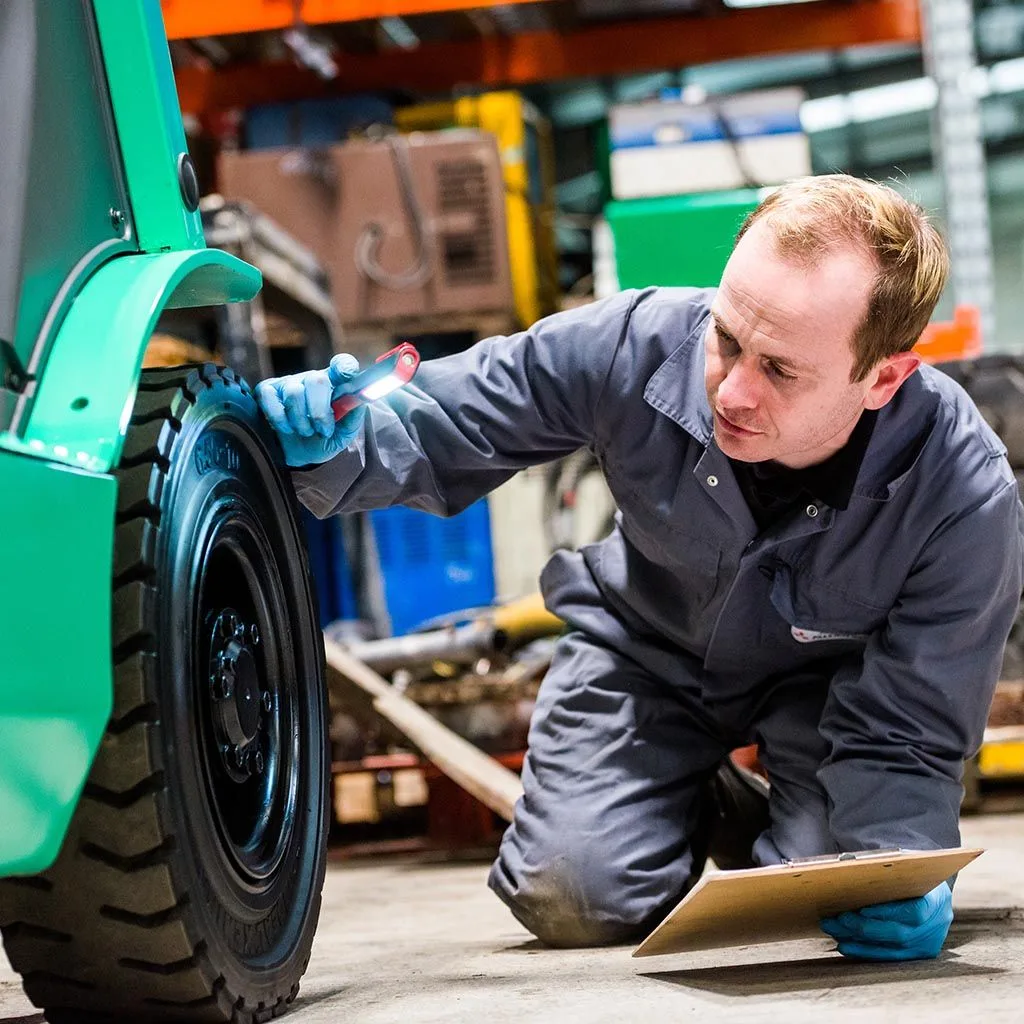
When one truck goes down in peak season, the cost is far bigger than the repair bill.
Orders back up. Operators stand idle. Overtime rises, and the rest of your fleet works harder to cover the gap. If the truck can’t be fixed quickly, you may need to hire a replacement at short notice, at the time of year when everyone else wants one too.
Winter and peak season arrive together. Cold weather puts extra strain on batteries, engines, tyres and operators, just when you can least afford a breakdown. The good news is that most winter faults can be spotted early. Here’s what to look out for across your fleet.
Battery performance
Cold weather hits electric trucks first. Look out for:
Capacity drops
Battery efficiency can fall by 30% to 50% in freezing temperatures, so a truck that lasts a full shift in summer may not make it through in winter.
Thickened fluid
The electrolyte inside the battery thickens in the cold. This lowers power and slows acceleration.
Longer charging
Batteries take significantly longer to charge and lose power faster during shifts.
What it costs you: unplanned charging stops, trucks off the floor mid-shift and a slower pace at your busiest time.
Engines, fuel and fluids
Internal combustion trucks have their own cold weather problems. Look out for:
Thickened oils
Engine oil, hydraulic fluid and transmission fluid become sluggish. This slows response times and puts extra strain on pumps.
Hard starts
Lower temperatures make ignition more difficult for internal combustion engines.
Fuel issues
Diesel can gel as the paraffin in it solidifies, which clogs fuel filters.
Antifreeze levels
An incorrect coolant to water ratio can lead to a frozen or cracked engine block.
What it costs you: a truck that won’t start on a cold morning, or a repair that takes it out of action for far longer than a quick fix.
Tyres and traction
Grip is one of the first things to go when the weather turns. Look out for:
Slippery surfaces
Ice, snow and rain on loading bays, ramps and yards reduce tyre grip.
Tyre pressure and rubber
Cold air lowers tyre pressure, and standard rubber can lose its flexibility. Both increase the risk of skids or loss of control.
What it costs you: a skid into racking, stock or another vehicle means damaged goods and equipment, and a truck out of service.
Visibility and electricals
If operators can’t see clearly, or be seen, everything gets riskier. Look out for:
Shorter daylight
Dim winter light, fog and rain reduce operator vision.
Frost and condensation
Ice on windscreens, mirrors and lights, along with failing warning beacons and wipers, makes navigation hazardous.
What it costs you: more near misses, slower movement around site and a higher chance of an incident involving people or property.
Operator comfort and safety
Even a well-maintained truck is only as safe as the person driving it. Look out for:
Restrictive clothing
Cold operators wearing bulky or restrictive layers can lose grip strength or snag the controls.
Fatigue
The physical toll of the cold can lower alertness and slow reaction times.
What it costs you: slower, less confident handling and a greater risk of mistakes when your site is at its busiest.#
Don’t let winter disrupt your peak season
Most of these problems are far easier, and cheaper, to deal with before they cause a breakdown. Two things make the biggest difference:
Planned maintenance
Have your trucks checked, serviced and winter-ready before peak season starts, so faults are found in the workshop and not on your warehouse floor.
Driver training
Make sure your operators know how to handle cold weather conditions safely, from slippery yards to poor visibility.
A breakdown in peak season costs far more than a service in autumn. To talk about planned maintenance and driver training packages for your fleet, get in touch with the Logisnext UK team today.